“How to soften hard rubber on shoes” is something many people search for. Luckily, it’s simple. You can soften hard rubber soles on shoes using warm water and gentle heat. They help bring back flexibility and comfort in no time.
But that’s not it. Here, we’re discussing 16 easy fixes that work every time. We’ve tested all of them and now can recommend them to anyone.
Let’s get started!
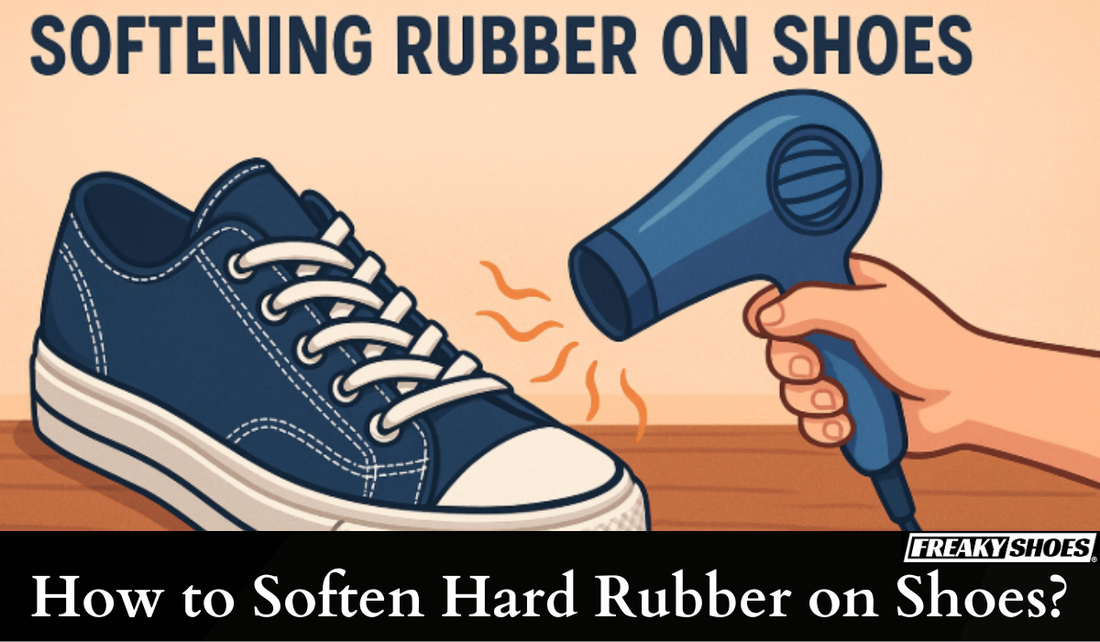
Key Takeaways
-
You can soften rubber soles with warm soapy water, heat, or conditioning oils.
-
A hairdryer or hot towel can quickly loosen stiff rubber soles.
-
Vaseline helps when the rubber feels dry.
-
Glycerin and mineral oil restore long-lasting flexibility.
-
Wintergreen oil and alcohol mix can deeply soften tough soles.
-
Silicone spray sealed in a bag works over several days.
-
Avoid harsh chemicals like xylene unless you test first.
How to Soften Hard Rubber on Shoes? (Best Methods)

You can soften hard rubber on shoes by using warm water, direct heat, or rubber-safe conditioners. Start by soaking the rubber in warm, soapy water for several hours. You can also use a hairdryer or steam to loosen the stiffness. These methods slowly relax the rubber and help restore flexibility. The best part is that they don’t harm your shoes.
Here’s how to soften hard rubber on shoes with different methods:
1. Warm Soapy Water Soak
If the rubber on your shoes feels stiff and dry, soaking it in warm, soapy water can help bring back softness. The warmth helps relax the hardened rubber, while the soap clears out dirt that may be making it worse. This is one of the safest and most beginner-friendly ways to soften rubber at home.
Here is how you can do it step by step:
-
Fill a basin or tub with warm water. It should feel hot but not boiling.
-
Add a few drops of mild dish soap and stir it in.
-
Place only the rubber part of your shoe into the water. Keep the upper part dry.
-
Let it soak for at least four to eight hours. Overnight works well if the rubber is very stiff.
-
Remove the shoe and pat the rubber dry with a towel.
-
Let the shoe air dry naturally away from direct sunlight.
2. Hot Water Immersion or Steam
Steam and hot water can quickly soften hard rubber soles of the shoes. The heat breaks down the tightness in the rubber and makes it more flexible. This method works faster than soaking, but you need to be more careful if your shoe has glued parts.
Follow these steps for best results:
-
Boil some water and pour it into a bowl or tray.
-
Either hold the rubber over the rising steam or dip just the sole into the hot water.
-
Keep it there for about thirty to sixty seconds.
-
While it is still warm, gently bend or press the rubber with your hands.
-
Let the shoe cool naturally before using it.
-
You can repeat the process if needed.
3. Heat Gun or Hairdryer on Low Setting
If you want to soften just a specific area of rubber, using a hairdryer or heat gun on low heat works well. Here is how to do it properly:
-
Plug in your hairdryer or heat gun and set it to the lowest heat.
-
Hold it about six to eight inches away from the rubber.
-
Move it in circles so the heat spreads evenly.
-
After two to three minutes, touch the rubber to check if it feels warmer and more flexible.
-
While it is still warm, bend or flex the rubber gently using your hands.
-
Let it cool down completely before wearing the shoes.
4. Warm Compress or Hot Towel Wrap
When you do not want to use a hairdryer or steam, wrapping a hot towel around the rubber is another simple option. The steady heat from the towel softens the rubber without any risk of burning or melting parts of your shoe. This method is safe for older shoes and those with sensitive materials.
You can follow these steps:
-
Soak a towel in hot water. It should be warm but not too hot to touch.
-
Wring out the extra water so the towel is damp, not dripping.
-
Wrap it firmly around the rubber sole or the hard part you want to soften.
-
Leave it wrapped for about fifteen to twenty minutes.
-
Remove the towel and gently flex the rubber to test if it feels softer.
-
Repeat if needed.
5. Flexing or Bending While Warm
Once the rubber is warm, you can make it more flexible by bending it gently. Moving the rubber while it is still warm helps break up stiffness. Here is how you can do it:
-
Warm the rubber using any method above.
-
While it is still warm to the touch, bend and press the rubber back and forth using your hands.
-
You can also twist it gently if the shape allows.
-
Keep repeating for a few minutes.
-
If the rubber cools down, warm it again and repeat the flexing.
6. Light Sanding or Surface Scoring
Sometimes, the rubber surface is too smooth or sealed, which stops softening treatments from soaking in. Lightly sanding or scoring the rubber creates a rougher texture that absorbs oils or conditioners better.
Here’s how to soften hard rubber on shoes:
-
Use fine sandpaper or a soft abrasive pad.
-
Gently rub the surface of the rubber in one direction.
-
Do not press hard. You just want to scratch the surface slightly.
-
Wipe away the dust with a clean cloth.
-
After that, you can apply your softening treatment.
7. Rubber Conditioner or Softener Products
Rubber conditioner is a ready-made product made to soften rubber of your shoes. You can find them online or at auto parts stores. They work well when other home methods are not enough. Here is how to use it:
-
Clean the rubber to remove any dirt or dust.
-
Apply a small amount of conditioner to a soft cloth.
-
Rub it evenly onto the rubber in small circles.
-
Let it sit for several hours or overnight.
-
Wipe off any extra product before using the shoes again.
8. Silicone Spray and Sealing Method
This method is useful when rubber is extremely stiff and dry. Silicone spray works slowly by soaking into the material over several days. If you seal the shoe in plastic after spraying, the trapped vapors help soften the rubber more deeply. It takes time, but it works well for rubber that has been neglected for years.
Here is how to use this method to soften hard rubber on shoes:
-
Spray a light coat of silicone on the rubber. Make sure it is fully covered but not dripping.
-
Place the shoe in a plastic bag or wrap it tightly in plastic wrap.
-
Leave it sealed for three to seven days in a cool, dry place.
-
After you take it out, let it air out for a few hours.
-
Check if the rubber feels softer by pressing it gently.
-
Wipe off any leftover spray before wearing.
9. Mineral Oil or Light Oil Soak
To soften hard rubber on shoes, mineral oil can help. Light oils like paraffin oil slowly soak into the rubber and work as plasticizers. They make the rubber more flexible by restoring some of the lost moisture inside the material.
Here’s how to do it:
-
Make sure the rubber is clean and dry.
-
Apply a thin layer of mineral oil or paraffin oil using a soft cloth.
-
Rub it in gently to cover the surface.
-
Let the oil sit for several hours or overnight.
-
After soaking, wipe off any excess with a clean dry cloth.
-
Check if the rubber feels softer. Repeat if needed.
10. Glycerin or Glycerin-Water Treatment
Glycerin is often used to bring back flexibility in rubber because it acts like a humectant. That means it pulls moisture in and helps hold it. You can use pure glycerin or mix it with a bit of water. This is a safer and gentler option for rubber that feels brittle but still intact.
You can follow these steps:
-
Mix one part glycerin with one part water in a small container.
-
Dip a clean cloth into the solution and apply it to the rubber.
-
Rub the mix in gently and make sure the rubber is coated evenly.
-
Let the shoe sit for at least 12 hours.
-
Wipe away any leftover residue.
-
Repeat once a week if the rubber still feels stiff.
11. Wintergreen Oil and Alcohol Mix
This method is often called a “magic” softener for hardened rubber. Wintergreen oil contains methyl salicylate, which helps rubber swell and soften. When mixed with rubbing alcohol, it penetrates deeper.
Here is how you can try it safely:
-
Mix one part wintergreen oil with three parts 99% isopropyl alcohol in a container.
-
Soak a cloth in the mix and apply it to the rubber, or submerge just the rubber part of the shoe.
-
Place the shoe in a sealed bag or covered tray to keep the vapors in.
-
Let it sit for two to five days in a cool, dry place.
-
Remove the shoe, air it out for a day, and check if the rubber is softer.
-
Wipe clean with a dry cloth before use.
12. Xylene Solvent Swelling
Xylene is a powerful chemical that can soften shoe rubber by making it swell. It causes the rubber to absorb liquid, which increases flexibility. However, it is harsh and should only be used as a last resort.
Here is how you can try this with caution:
-
Work in a well-ventilated area and wear gloves.
-
Dab a small amount of xylene onto a cloth.
-
Gently apply it to a small section of the rubber.
-
Wait a few hours to see how the rubber reacts.
-
If the area becomes softer without damage, you can treat the rest.
-
Never soak the entire shoe or over-apply. Wipe off any excess when done.
13. Petroleum Jelly or Vaseline
Vaseline, also known as petroleum jelly, is often used to soften dry rubber. It sits on the surface and slowly gets absorbed, which can help restore some softness. It’s a low-risk option that works best on lightly stiff areas.
You can follow these easy steps:
-
Scoop out a small amount of petroleum jelly.
-
Rub it evenly over the rubber with your fingers or a cloth.
-
Let it sit overnight to allow absorption.
-
Wipe away any leftover jelly with a clean cloth.
-
Check the feel of the rubber. Reapply if needed.
14. Linseed Oil or Other Natural Oils
Natural oils like boiled linseed oil or tung oil can be used to soften rubber, but you need to be careful. Here’s how to use natural oils safely:
-
Apply a small amount of linseed or vegetable oil to a cloth.
-
Rub it into the rubber using small circles.
-
Let it sit for a few hours or overnight.
-
Wipe off any excess oil with a clean dry cloth.
-
Keep in mind the rubber may darken slightly after treatment.
15. Diluted Ammonia Solution
Some people use a mild ammonia and water mix to soften shoe rubber. The idea is that the alkaline nature of ammonia may help open up the rubber's structure. If you want to try this, do it like this:
-
Mix one part household ammonia with five parts water.
-
Dip a cloth into the solution and wring it out.
-
Gently wipe the rubber surface with the cloth.
-
Let it sit for 30 minutes.
-
Wipe clean with water and dry with a towel.
-
Monitor how the rubber reacts over the next day.
16. Acetone or Alcohol Vapor Treatment
To soften hard rubber on shoes, follow these steps:
-
Pour a small amount of acetone or alcohol into a container.
-
Place the container and the shoe in a sealed plastic bag without letting them touch.
-
Let it sit for a few hours so the vapors surround the rubber.
-
Remove the shoe, air it out, and check if the surface feels softer.
-
Apply a conditioner afterward to help lock in flexibility.
How to Soften Hardened Rubber Soles for Shoes

When the soles of your shoes become hard, they lose their grip and feel uncomfortable. You can fix this by using heat, moisture, or oil-based treatments. These help loosen up the rubber and bring back flexibility. Here is a simple way you can do this at home:
-
Fill a tub with warm water. Make sure it’s hot but not boiling.
-
Add a few drops of dish soap and mix it in.
-
Place just the rubber soles into the water and leave them for several hours.
-
If they are very stiff, leave them overnight.
-
Take the shoes out and dry them with a towel.
-
While the soles are still warm, gently flex them with your hands.
If you don’t want to soak them, you can also try using a hairdryer or a warm towel wrap.
What Is the Fastest Way to Soften Shoes
Using a hairdryer is the fastest way to soften your shoes. Heat helps the rubber relax almost immediately. You can do this in just a few minutes:
-
Set a hairdryer to low heat.
-
Hold it about six inches away from the rubber part.
-
Move it around so the heat spreads evenly.
-
After two or three minutes, check if the rubber feels softer.
-
While it is still warm, bend and flex it gently with your hands.
-
Let it cool before putting on the shoes.
Will Vaseline Soften Rubber

Yes, Vaseline can help soften rubber, especially when it feels dry and a little stiff. Vaseline works by sitting on the surface and slowly sinking into the rubber. It acts like a light coating that helps trap moisture and improve flexibility over time.
It will not fix rubber that is cracked or falling apart. But if the soles feel dry, Vaseline is worth trying. It is easy to apply and does not contain anything harsh that would damage the material. You only need a small amount to get started.
Here is how you can use vaseline to soften rubber:
-
First, clean the rubber and dry it completely.
-
Then take a small amount of Vaseline and rub it into the rubber using your fingers or a cloth. Make sure you spread it evenly.
-
Leave the shoes overnight so the rubber has time to absorb the product.
-
In the morning, wipe off any extra with a clean cloth. You should feel a noticeable difference.
The rubber should feel softer, smoother, and more flexible. You can repeat this once a week to keep the soles in good shape.
How to Soften Hard Rubber on Shoes Overnight
If you want to soften your rubber soles overnight, soaking them in warm soapy water is one of the best options. Here is what you need to do before bed:
-
Fill a tub or basin with warm water. Make sure it is hot but not too hot to touch.
-
Add a little dish soap and stir it in.
-
Dip just the rubber part of your shoes into the water. Keep the rest dry.
-
Let the rubber soak for at least six to eight hours or overnight.
-
In the morning, take them out and dry them with a towel.
-
Flex the soles gently while they are still warm to check if they have softened.
What Chemical Will Soften Rubber
There are a few chemicals that can soften rubber, but not all of them are safe to use on shoes. The most popular option is a mix of wintergreen oil and rubbing alcohol. This combination works because the oil helps swell the rubber, and the alcohol helps it sink deeper. A common ratio is one part wintergreen oil to three parts 99 percent isopropyl alcohol. You can soak the rubber in this mix or seal it in a bag with the mixture for a few days.
Another chemical some people use is xylene. It is a strong solvent that makes rubber swell and become more flexible. However, it is very harsh and can damage fabric or glue. If you use xylene, always test it on a small area first and use it only in a well-ventilated space.
Glycerin is a much safer choice. It is a natural humectant that draws moisture into the rubber. You can apply pure glycerin or mix it with water and rub it on using a cloth.
Silicone spray also helps. When sealed in a plastic bag with the shoe, the trapped vapors slowly soften the rubber.
Always test a small spot before applying anything to the whole sole. Some chemicals are strong and should be used with care.
Will WD40 Soften Rubber
WD40 can make rubber feel softer, but it is not a real rubber restorer. It helps loosen up the surface and adds a slick feel, which can reduce stiffness for a short time. If your rubber soles are just slightly dry, WD40 might help. But it will not fix deep dryness or cracks.
The main benefit of WD40 is that it can reduce surface friction. That makes the rubber feel more flexible for a while. Some people use it to stop squeaking sounds. However, WD40 is not made for conditioning rubber. It also contains solvents that might weaken glue or damage delicate materials around the sole.
If you do want to try it, use a very light coat. First, clean the rubber. Then spray a small amount of WD40 on a cloth and rub it gently onto the rubber. Wait a few minutes and wipe off any extra. You may notice an instant change in feel. The rubber should be smoother and slightly softer.
Still, if you want long-term results, rubber conditioners or natural softening oils like glycerin or mineral oil are a better choice.
Best Rubber Softener for Shoes
|
Softening Method |
When to Use It |
|
Glycerin (with water) |
Safe option for mildly stiff soles |
|
Wintergreen oil with alcohol |
Works well for very hard, dried-out rubber |
|
Silicone spray in plastic bag |
Slow, deep softening over several days |
|
Mineral oil or paraffin oil |
Good for rubber that feels dry but not cracking |
|
Rubber conditioner |
Best for long-term care and deep restoration |
|
Vaseline (petroleum jelly) |
Quick softening for lightly dried soles |
|
Hairdryer or warm towel |
Fast method for small stiff areas |
How to Soften Rubber with Boiling Water
-
Boil water and pour it into a heat-safe bowl or tray.
-
Hold the rubber sole above the steam for about one or two minutes.
-
You can also dip just the sole into the hot water if the rest of the shoe can stay dry.
-
After heating, gently flex the sole with your hands while it is still warm.
-
Let the shoes cool down at room temperature.
Conclusion
Hard rubber soles don’t mean the end of your favorite shoes. With the right care, you can bring them back to life using simple household methods. Warm water, gentle heat, and natural oils can all make a huge difference. By keeping your shoes clean, you’ll also prevent the rubber from drying out again. You don’t need a cobbler or expensive product to make them feel new. You need just a little time.