


What Does GS Mean in Shoes? (Find Out Here)
Freaky ShoesHave you ever come across the term "GS" while shopping for shoes and wondered what it means? Well, we’re clearing that up for you in this article.
Here’s a short answer first:
GS stands for Grade School. It’s a shoe size that is for school-aged kids (around 6 to 16 years old). So, if you’re an adult or have long feet, it means GS shoes are not for you.
Want more info?
Here, we’re explaining what GS shoes are, how they are different from other shoe sizes, and some proven tips about how you can pick the right size.
GS Shoes: What Are They?
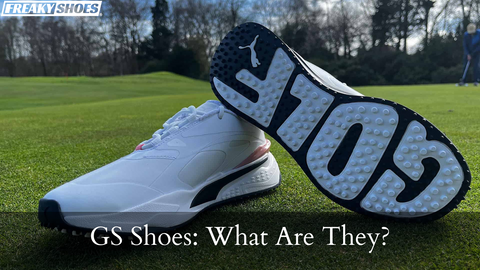
GS shoes are for kids/teens between the ages of 6 to 16. They are not for adults or people with unusually large feet.
The issue during the “6 to 16” age is that the feet grow quickly. So, no matter which shoes you buy for your kids, they are usually good for about a year or two.
That’s why you should go for GS shoes. They are less priced than regular shoes, so you will be saving some bucks.
But don’t think GS shoes are cheap or not good.
In fact, we can now say that GS has changed the world of shoes. How?
Well, back in the day, GS was pretty simple – it just meant smaller sizes for younger kids. But things have changed. Today, GS sizes aren't just about how big the shoe is. They're also about style. Kids and teenagers now want shoes that look cool, so the manufacturers have to launch GS Shoes in different styles.
In our opinion, this change was important because it showed that shoe companies understand that kids and teenagers are an important part of their customers.
But which brands have released the GS shoe collection? Let’s find out.
Which Popular Brands Offer GS Shoes?
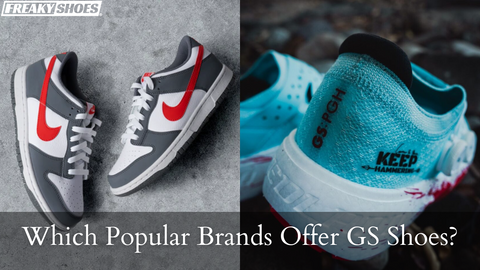
Brands have realized the potential in the GS market, which is why many of them have also launched limited edition Grade school shoes. They have collaborated with athletes and celebrities (just like in the case of adult shoes).
Big names like Nike and Adidas are leaders in the GS shoe market today. They've recognized that kids and young teens are not just looking for smaller sizes. That’s why their shoes are more stylish and trendy.
Nike, for instance, has launched the classic Air Jordans and Air Max line. Both are super comfortable and look really stunning. Similarly, Adidas offers UltraBoost and the Stan Smith. We’ve read their reviews and teenagers have given them lots of praise.
We also got in touch with those teens who are wearing GS shoes, and almost all of them have shared with us that they love the shoes. Most praises were about the comfort. Some also lauded the trendiness, too.
After surveys and months of research, we can safely say that the popular GS shoes are:
GS Nike Dunk LowGS Jordan Youth Air
Now, let’s discuss how GS shoes are different from other regular ones.
What Are the Differences Between GS and Other Common Shoes?
There are three main differences between the GS and the regular shoes. The biggest one is the size. The other two are price and manufacturing.
Let’s see the details.
Differences in Size
You might have already read somewhere that the GS 7 is not the same as the Men’s 7 size. It’s because GS sizing is different.
Let's now break down the difference between GS (Grade School) sizes and other common shoe size categories like Men's, Women's, and Toddlers.
|
Category |
Size Range |
Age Group |
|
Men's |
7-14 |
Adults |
|
Women's |
5-12 |
Adults |
|
Toddlers |
2-10 |
1-4 years |
|
GS |
3.5Y-7Y |
8-12 years |
Here’s a bit more detailed chart:
|
US |
UK |
EUR |
CM |
INCHES |
|
3.5 Y |
3 |
35.5 |
22.5 |
8.9 |
|
4 Y |
3.5 |
36 |
23 |
9.1 |
|
4.5 Y |
4 |
36.5 |
23.5 |
9.3 |
|
5 Y |
4.5 |
37.5 |
23.5 |
9.3 |
|
5.5 Y |
5 |
38 |
24 |
9.4 |
|
6 Y |
5.5 |
38.5 |
24 |
9.4 |
|
6.5 Y |
6 |
39 |
24.5 |
9.6 |
|
7 Y |
6.5 |
40 |
25 |
9.8 |
Differences in Design, Colorways, and Material Quality
You might now be wondering, “Do GS shoes differ from adult sizes in design, colorways, and material quality?” Well, yes.
We’ve noted that brands often change the designs slightly for the GS market. In most cases, they add more vibrant colorways and playful patterns (to appeal to younger consumers).
When it comes to material quality, we've noticed that GS shoes usually have those materials that are used to make adult shoes. But there can be differences. For instance, a high-end adult sneaker might use premium leather, while the GS version might use a more kid-friendly material.
The Difference in Price
GS shoes are priced lower than adult sizes. This makes sense when you think about it – they use less material, and the target market is younger.
So, if you’ve already made up your mind to buy GS shoes, we say you go for them. However, since the sizes are different, you might face issues during your shopping. Well, worry not. We’re here with some proven tips that will help you choose the right pair.
4 Tips for Everyone to Buy the Right GS Shoes
We know it’s a little hard to shop for GS shoes. We get a lot of questions about how to choose the right pair, so we have now decided to share some tips with you.
Follow them and you will always buy the right GS shoes every time:
Tip #01: Understand Size Differences
First things first, it's important to understand how GS sizes compare to adult sizes. As we’ve discussed above, GS sizes are designed for kids, which means they are generally narrower and smaller than adult sizes.
However, if you have smaller feet, you can also try GS shoes, even if you’re an adult. In fact, we’ve seen a lot of women choosing GS shoes over others.
You might now be wondering, “Why would an adult consider GS shoes?” Well, in our experience, there are two reasons.
- GS shoes are usually less expensive than adult shoes. So, you can snag a stylish pair of sneakers at a lower price.
- GS shoes sometimes come in exclusive colors and designs. You won't generally find them in adult sizes.
But like we said before, you should understand the size difference first.
If you’re looking to buy Adidas GS shoes, then we’ve made this chart for you so that you get the right pair:
|
Heel-toe measurement |
US |
UK |
EU |
|
8.5″ |
3 |
3 |
35.5 |
|
8.7″ |
3.5 |
3.5 |
36 |
|
8.9″ |
4 |
4 |
36 2/3 |
|
9.0″ |
5 |
5 |
37 1/3 |
|
9.2″ |
5.5 |
5.5 |
38 |
|
9.4″ |
6 |
6 |
38 2/3 |
|
9.5″ |
6.5 |
6.5 |
39 1/3 |
|
9.7″ |
7 |
7 |
40 |
|
9.8″ |
7.5 |
7.5 |
40 2/3 |
If you’re planning to buy Reebok GS Shoes, then here’s the size chart:
|
USA |
Heel-Toe |
EUR |
UK |
|
3 |
8.3″ |
34 |
2.5 |
|
3.5 |
8.9″ |
34.5 |
3 |
|
4 |
9.1″ |
35 |
3.5 |
|
4.5 |
9.3″ |
36 |
4 |
|
5 |
9.4″ |
36.5 |
4.5 |
|
5.5 |
9.5″ |
37 |
5 |
|
6 |
9.6″ |
38 |
5.5 |
|
6.5 |
9.7″ |
38.5 |
6 |
|
7 |
9.8″ |
39 |
6.5 |
Have you ever wondered what size Shaquille O’Neal wears? If yes, then check out this article we’ve written on Shaq’s shoe size and other NBA legends.
Tip #02: Never Ignore Right Fit
You should never overlook the right fit. Generally, most people pay attention to shoe length and forget about the width. It can become a real problem when you’re shopping for GS shoes. It’s because they are narrower than usual.
Here’s what we suggest: Make sure they don't feel too tight. Walk around a bit in the store to see how they feel.
Tip #03: Focus on Style
One of the best things about GS shoes is their style. Brands often release vibrant designs in GS sizes, which may appeal to your inner child. However, it's also good to remember that some GS shoes might have a more youthful look.
Our advice? Choose a style that suits your personal taste and wardrobe.
Tip #04: Shop at the Right Place
GS shoes are now available everywhere. You can find them at most shoe stores and online. Some stores even have dedicated sections for GS sizes.
We suggest shopping at a credible store. There were some complaints about people selling knock-offs and fake GS shoes.
When shopping online, it’s also a good idea to check the reviews and ratings first.
Final Words
All-inclusive, GS means Grade school. They are shoes that are suitable for kids and teenagers (from the age of 6 to 16). Here, we discussed the size charts and how you can choose the right pair. Remember to follow our tips and you will always end up with the top-notch GS shoes that fit perfectly.
And learn other sneaker terms as well:
|
Not sure what SP stands for? This guide explains it in a simple, no-confusion way. |
|
|
Learn what PS means in shoe sizing and who it’s actually meant for. |
|
|
Confused about the “B” width? Here’s a quick and clear explanation. |
|
|
Find out what deadstock really means and why sneaker lovers care about it. |
|
|
If you have wider feet, this explains what 2E sizing means for your fit. |
|
|
Here’s what EP means and why it matters, especially for certain shoe versions. |
|
|
A simple explanation of SE and how it’s used in different shoe releases. |
|
|
Extra-wide feet? This guide helps you understand what 4E sizing offers. |
|
|
Learn what “reps” are in sneakers and how they differ from original pairs. |
|
|
DS is common in sneaker talk. Here’s what it actually means. |
|
|
A quick guide to what “C” stands for and who it usually fits. |
|
|
Not sure about “H” sizing? This clears it up in a very simple way. |
|
|
Learn what 7Y means and how youth sizes compare to adult sizes. |
|
|
Find out what “retro” means in shoes and why older styles keep coming back. |
|
|
A simple guide for parents to understand what TD sizing means for kids. |
|
|
Learn what “D” width means and whether it’s considered standard. |
|
|
Not sure about “Y” sizing? This explains it in a clear and simple way. |
|
|
Another helpful take on SE so you fully understand how brands use it. |
|
|
A quick explanation of “M” and how it relates to standard sizing. |
|
|
In sneaker slang, “bricks” has a specific meaning. Here’s what it refers to. |
|
|
Learn what EW stands for and how it compares to other wide sizes. |
|
|
QS releases are special. This explains what makes them different. |
|
|
Here’s what CN sizing means and how it compares with other regions. |
|
|
Understand EUR sizing and how it matches up with US and UK sizes. |


